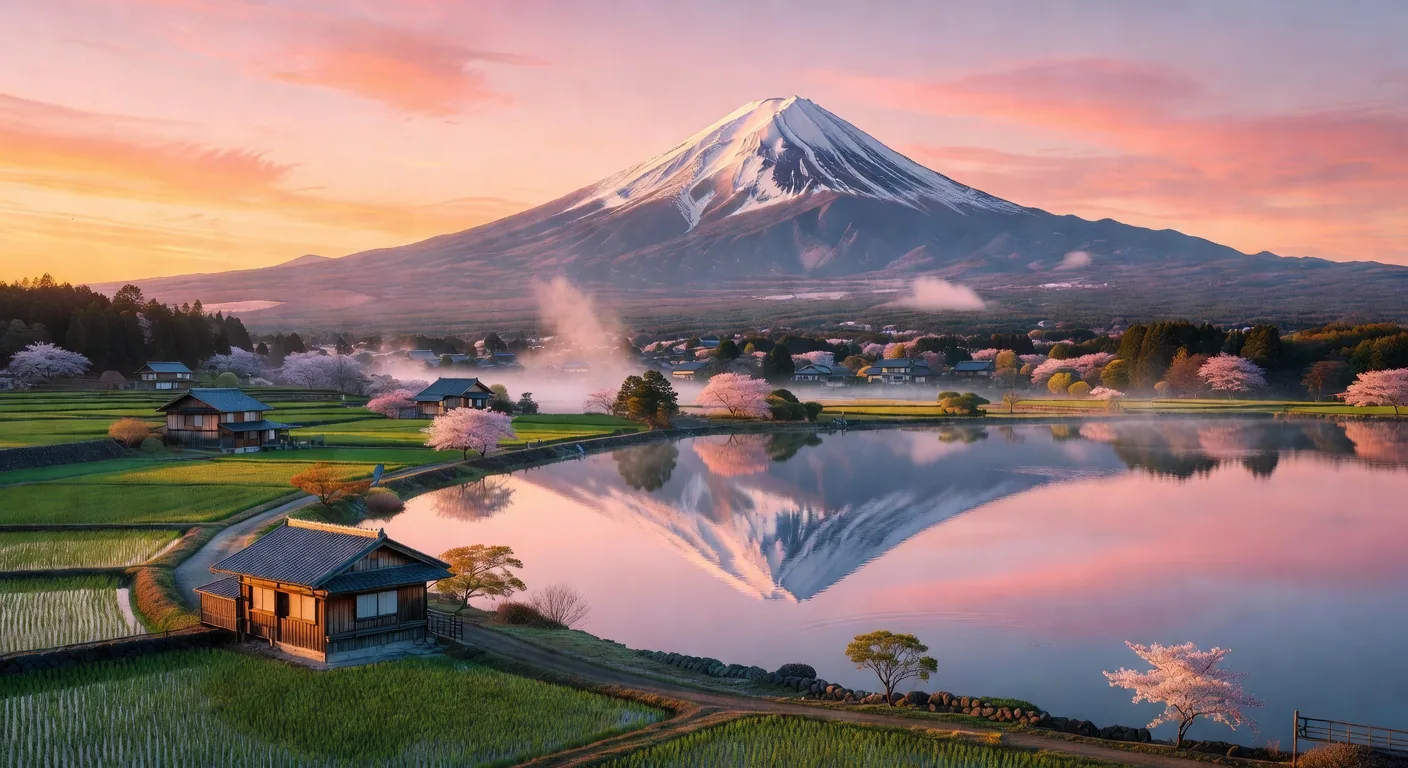
Mount Fuji
At 3,776 metres, Fuji-san is Japan's highest mountain, most sacred symbol, and most photographed natural wonder — a pilgrimage for the body, mind, and spirit.
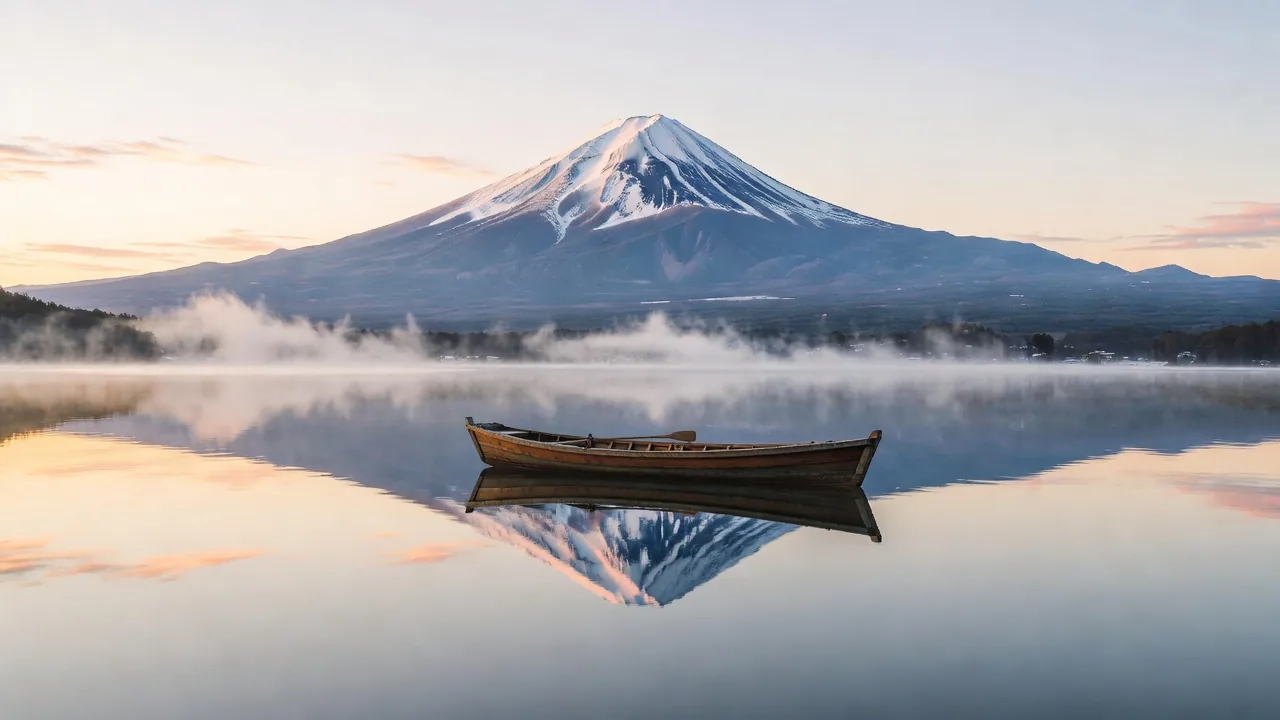
Japan's Most Iconic Symbol
Mount Fuji has been worshipped as a sacred mountain for over 1,200 years. An almost perfectly symmetrical stratovolcano, its snow-capped cone has inspired countless works of art — most famously Hokusai's "Thirty-Six Views" woodblock series — and continues to inspire wonder in every visitor who sees it for the first time.
Designated a UNESCO Cultural Heritage Site in 2013, Fuji-san is not just a mountain to admire from below — hundreds of thousands of people climb it every year during the official summer climbing season. But whether you ascend to the summit or simply gaze at its reflection in Lake Kawaguchi, Fuji leaves an indelible mark on every soul.
Climbing Mount Fuji
Fuji-san is a serious mountain climb — proper preparation is essential. Here's everything you need to know.
📅 Climbing Season
The official climbing season runs from early July to early September, when all mountain huts are open and the weather is most reliable. Outside this window, the mountain is significantly more dangerous and facilities are closed.
🛤️ Four Trails
Yoshida Trail (most popular, from 5th Station) — Well-equipped with huts, toilets, and food. Subashiri Trail — More forest, joins Yoshida above 8th Station. Gotemba Trail — Longest and most strenuous, fewer crowds. Fujinomiya Trail — Closest to the summit, steepest ascent.
⏱️ Timing Your Climb
Most climbers ascend overnight to reach the summit for goraiko (sunrise). The sunrise over the clouds from 3,776m is a life-changing experience. Allow 5–7 hours to ascend, 3–5 hours to descend.
🎒 Essential Gear
Layers are critical — summit temperatures can drop to 0°C even in summer. Bring: waterproof jacket, warm mid-layer, gloves, headlamp (for night climbing), trekking poles, 2L water, high-energy snacks, mountain sickness medication (Diamox), and broken-in boots.
⚠️ Altitude Warning
Altitude sickness (AMS) affects many climbers above 2,500m. Ascend slowly, stay hydrated, eat regularly, and descend immediately if you develop severe headache, nausea, or confusion. The mountain will be there next year — don't push through serious symptoms.
💡 Fuji Conservation Fee
A ¥2,000 climbing conservation fee is charged on the Yoshida Trail. This helps maintain the mountain and manage overcrowding. Advance reservations via the official Fuji Climbing portal are strongly recommended during peak season.
The Fuji Five Lakes Region
You don't need to climb Fuji to have an extraordinary experience. The surrounding lake region offers some of Japan's most stunning scenery.
🏞️ Lake Kawaguchi (Kawaguchiko)
The most accessible and popular of the five lakes, with excellent Fuji viewpoints, hot spring hotels, and the famous Chureito Pagoda viewpoint at Arakurayama Sengen Park.
🏞️ Lake Yamanaka (Yamanakako)
Japan's sixth-largest lake, set at 980m elevation with outstanding Fuji views. Popular for cycling, windsurfing, and camping with surreal mountain reflections at dawn.
🏞️ Lake Motosu (Motosuko)
The deepest and clearest of the five lakes — and the source of the image on the ¥1,000 banknote. Remote and peaceful, ideal for those seeking Fuji without the crowds.
🚌 Getting to the Fuji Five Lakes Region
From Tokyo's Shinjuku Bus Terminal: Fujikko Bus to Kawaguchiko (approx. 2 hours, ¥1,800 one way — very affordable). From Shinjuku Station by train: JR Chuo Line to Otsuki, then Fujikyuko Line to Kawaguchiko (2h 15min, from ¥2,520). The Fuji Excursion limited express train from Shinjuku runs direct and is covered by the JR Pass.
📸 Best Fuji Photo Spots
Chureito Pagoda
The five-storey pagoda framing Fuji in the background is Japan's most iconic photograph. Arrive before dawn for the best light and no crowds.
Oshino Hakkai
Eight crystal-clear spring pools fed by Fuji's snowmelt, set against the mountain backdrop — a remarkably peaceful and photogenic spot.
Kachi Kachi Ropeway
Ascend 1,075m above Lake Kawaguchi for stunning aerial views of Fuji reflecting in the lake below — particularly dramatic at sunset.
Shinkansen View from Shin-Fuji
The Tokaido Shinkansen passes directly in front of Fuji — windows on the right side (northbound) and left side (southbound) offer incredible shots.